There is a quiet but visible shift happening in the way modern Indian women are choosing their footwear. Designer heels and imported synthetics are losing ground to something older, more personal and more intentional.
Handcrafted footwear, especially those that have their roots in Indian craft traditions such as kolhapuri chappal for women and jutti for women, is moving from the back of the wardrobe to the front. The reasons are more than aesthetics.
The Craft Behind the Choice
India has one of the richest footwear craft traditions in the world. The Kolhapuri chappal for women alone carries more than eight centuries of leather artisanship, originating in the Kolhapur region of Maharashtra and spreading across Karnataka through generations of skilled artisans. In 2019, the Kolhapuri chappal received a Geographical Indication tag, legally protecting the name for craftspeople working across eight specific districts. That tag is not just a certification. It represents a guarantee of origin, material quality and the kind of handwork that no factory line replicates.
The jutti for women carries a parallel history from the Punjab region, with its roots in Mughal-era court footwear. Hand-embroidered uppers, closed-toe construction, and a sole that moulds to the foot over time make the jutti a piece of wearable craft as much as a practical shoe. Both styles are now being sought out by a generation of buyers who want their purchases to carry meaning alongside utility.
Why Modern Indian Women Are Making the Switch
The modern Indian woman navigating a full week of work, social commitments and family events needs footwear that keeps up without demanding a wardrobe full of single-use pairs. Handcrafted Indian footwear answers this practically, and the reasons show up in everyday use rather than in marketing copy. Because of:
- Versatility: A pair of well-made kolhapuri sandals works well with all the outfits including saree, kurta and casual western wear and without looking odd with any.
- Breathability: The open toe, braided leather construction keeps feet cool in warm weather, something mass-produced sandals for women in synthetic materials rarely manage across a full day.
- Longevity: Handcrafted kolhapuri sandals hold their shape across years of wear and improve with age as the leather softens to the foot. Synthetic sandals for women are built for a season.
- Build Quality: The difference between handcrafted and mass-produced shows up in sole integrity and stitching quality, details that matter most during the six toeight-hourr events Indian weddings, festivals and family gatherings routinely demand.
- Value Over Time: A single well-chosen pair of Kolhapuri sandals or jutti for women outlasts several rounds of fast fashion footwear at a comparable spend, making the handcrafted option the more practical one over any twelve-month period.
The Rise of Kolhapuri Heels
One of the clearest signs of how this craft tradition is evolving is the growing demand for Kolhapuri heels. The block-heel Kolhapuri combines the traditional braided leather upper and open-toe silhouette with a structured heel base, giving brides and event-goers the height they want without the instability of a stiletto or the discomfort of a thin sole.
For Indian weddings in particular, kolhapuri heels have become a serious alternative to imported bridal footwear. A bride wearing Kolhapuri heels at her wedding is making a choice that is simultaneously practical and cultural. The heel handles long ceremonies, mandap stages and outdoor lawns better than a stiletto. The handcrafted upper photographs with a richness that synthetic materials cannot match. And the story behind the pair, a craft tradition protected by law and built by skilled artisans, adds a layer of meaning no fashion import carries.
Idhaga and the Handcrafted Footwear Movement
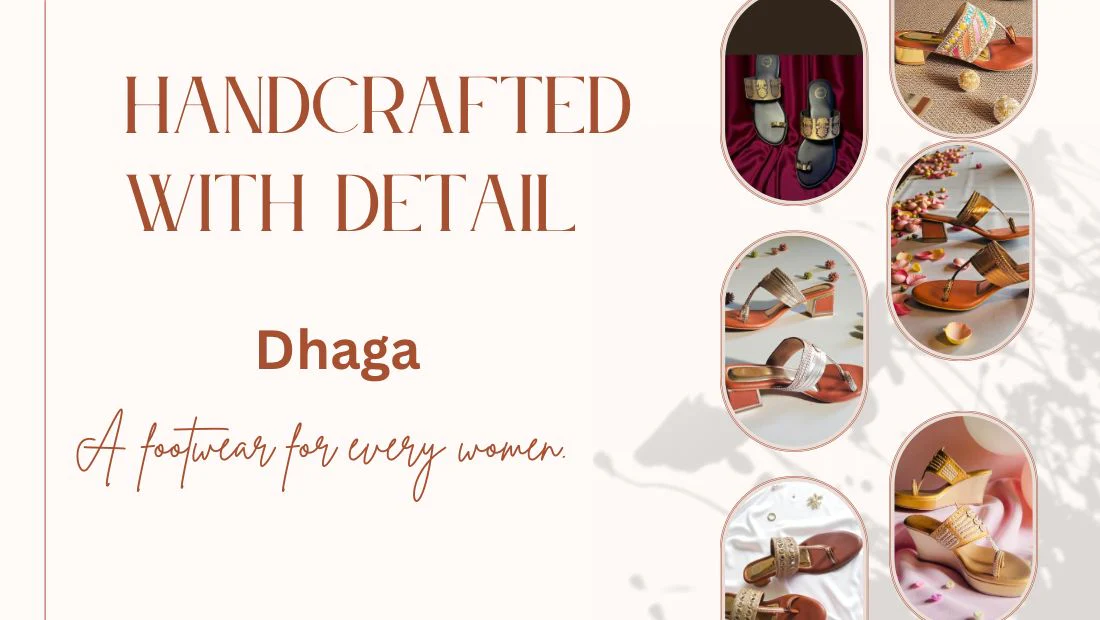
Akshita Makhija founded Idhaga with a clear purpose: to thread deep-rooted Indian craft tradition into everyday fashion for the modern woman. The brand works directly with artisans to bring kolhapuri chappal for women, kolhapu cri sandals, kolhapuri heels, sandals for women and jutti for women to buyers who want genuine craft quality without giving up on design or daily wearability.
Every pair in the Idhaga range is handcrafted using traditional construction methods, with embellishment and colour options developed specifically for the modern Indian wardrobe.
Their collections cover daily wear flats, festive block heels and embroidered juttis, so a buyer can find the right pair for a Tuesday at the office and the right pair for a Saturday wedding without leaving the same brand.
A Shift That Is Only Growing
The preference for handcrafted footwear among modern Indian women is not a passing trend. It is a correction. After years of synthetic footwear marketed on price and novelty, buyers are returning to materials that last, crafts that carry history and footwear that feels better on the second wear than the first.
Kolhapuri chappal for women, jutti for women, Kolhapuri heels and handcrafted sandals for women are not competing with fast fashion footwear on price or volume. They are offering something fast fashion structurally cannot, which is quality that compounds over time, craft that carries a story and a pair of shoes worth keeping.
That is why handcrafted footwear is becoming the first choice, and for most modern Indian women who make the switch, it becomes the permanent one.